

When We Said Rest, We Meant It
America’s Been Eating Off Black Women’s Plates Since Before 1920; and Still Ain’t Full

Brilliant Black Girls,
In my Psychology of Women Class, we were asked what we thought America might look like for women in 2075. I already knew who they meant.
Not all women, white women.
Specifically, white, cisgender, heterosexual women. That’s who “progress” in this country has always been designed for. I sat there thinking about how absurd it is to speak about the “future of women” while ignoring the women who have done the most to build it.

White women have never been the architects of fundamental change in America; they’ve been the financiers and the beneficiaries. Their wealth, dowries, and family names helped maintain the very systems that positioned Black, Native, and Latina women as chattel; laborers, caretakers, and the moral backbone of white comfort. It took Black women to move this country forward, and history proves it.
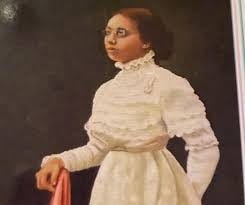
When white suffragists like Susan B. Anthony and Alice Paul refused to include Black women in their fight for voting rights, it took Nellie Quander, International President of Alpha Kappa Alpha Sorority, Incorporated, to write directly to First Lady Eleanor Roosevelt, demanding recognition and inclusion for Black women in the movement (Quander, 1938). Without that pressure, we would have been erased from that history entirely.
That pattern hasn’t changed. Hillary Clinton had every credential, yet white women overwhelmingly voted against her. Vice President Kamala Harris represented the most qualified leadership this country had ever seen, but again, white women refused. The numbers do not lie: according to exit polls from both 2016 and 2020, over 70% of white women voters sided with the party of patriarchal restoration. As usual, they chose proximity to power over solidarity with other women.
So when people ask what the next fifty years will bring, I don’t talk about equality. I talk about exhaustion. Because if history has shown anything, it’s that Black women carry the moral and emotional weight of this country, only to be discarded when the credit comes due. Stewart and McDermott (2004) wrote that movements fail when they depend on the invisible labor of marginalized women without redistributing power. That’s precisely where we are now.
Matlin and Foushée (2022) explain that chronic racialized stress dysregulates the HPA axis, the part of the brain responsible for managing fear and trauma. Black women are experiencing neurological decline not because we are weak, but because we have been conditioned to endure too much for too long. We are dying younger because everyone expects us to hold them up.
By 2075, I don’t believe Black women will reach parity with men or with white women. Not because we lack ability or intellect, but because we lack allyship. Not from white men. Not from white women. And often, not even from our own men.
We are done leading every charge for free.
We are done being the moral conscience of movements that forget our names once the cameras turn off. We have given this country everything: our labor, our brilliance, our organizing, our resilience. The following 50 years should be spent resting, rebuilding, and redirecting our genius toward our own liberation.
For change to happen by 2075, society would need to do far more than elect a woman or post a slogan. It would require:
A radical confrontation of racism within feminism.
Accountability for how white women use political power.
Structural protections against patriarchal backlash.
Real representation of Black, Native, and Latina women in medicine, law, and policy.
Acknowledgment of how our womanism and feminism have built the blueprint for every significant social advancement in this country.
Until that happens, I don’t expect equality. What I hope is clarity. Because we are not saving this nation again. We have earned the right to rest, to rebuild, and to live without being everyone’s foundation.
And if America truly wants a future worth saving, it can start by learning what real work feels like without Black women doing it for them.
With clarity and care,
Zsanine